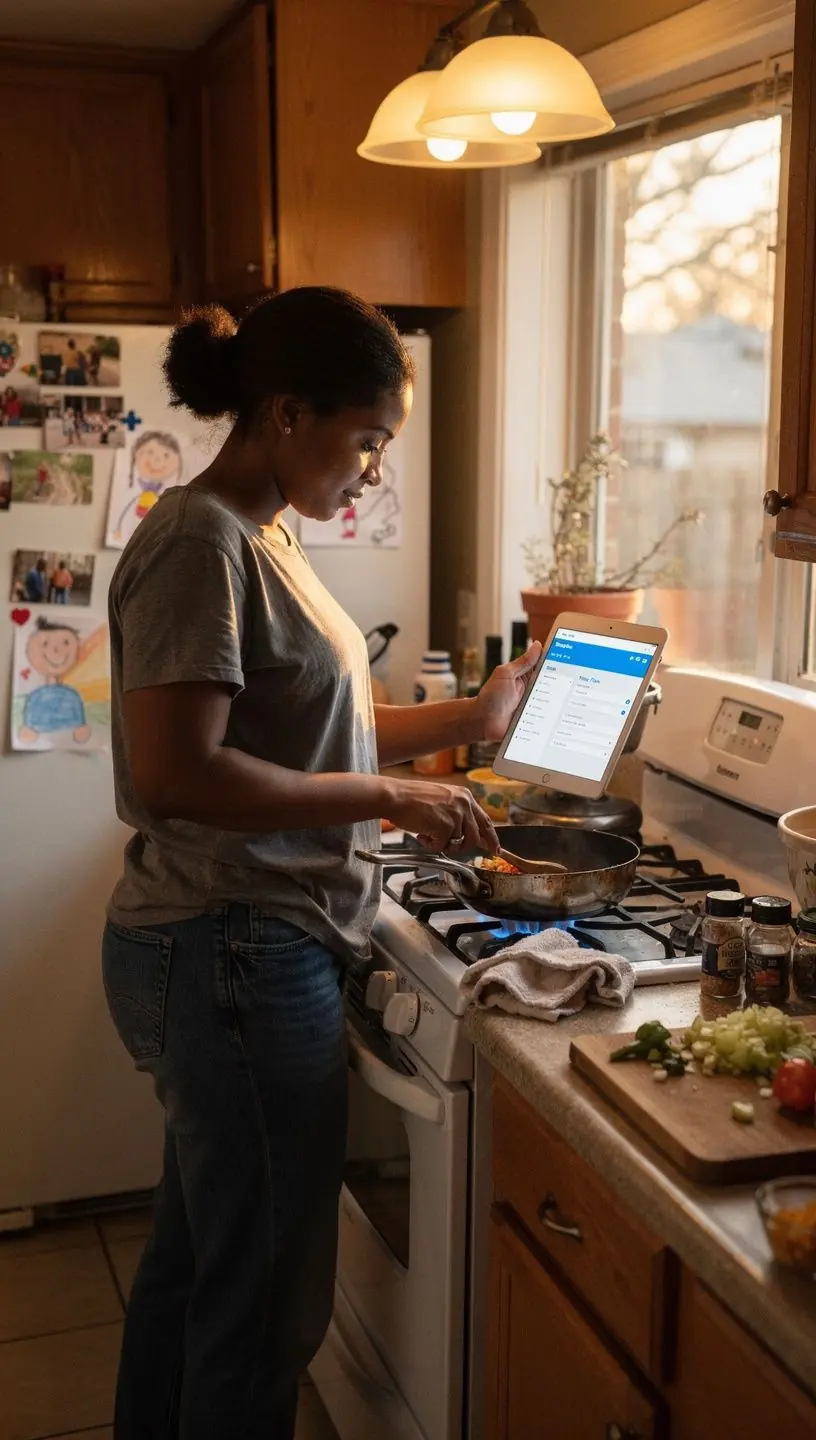
How to Integrate Automation into Home Management
In today's fast-paced world, integrating automation into home management can significantly enhance efficiency and convenience. This article explores practical ways to implement automation, ensuring that you can manage your home more effectively.
Understanding Home Automation
Home automation refers to the use of technology to control various household systems and appliances remotely. According to a report by Statista, the smart home market is projected to reach $174 billion by 2025. This indicates a growing trend that many homeowners are adopting to improve their living environments.

“Integrating automation can lead to increased energy efficiency, enhanced security, and overall improved quality of life.”
Common Applications of Automation
Several areas in home management can benefit from automation. Here are a few practical applications:
- Smart Lighting: Automating your lighting system can reduce energy costs significantly. According to Energy Star, smart lighting controls can lead to energy savings of 20-30%.
- Thermostats: Smart thermostats can learn your temperature preferences and adjust accordingly, potentially saving homeowners up to 10-12% on heating and cooling bills.
- Security Systems: Integrated security systems can provide real-time alerts and remote monitoring, making your home safer without requiring constant attention.
Steps to Implement Home Automation
Implementing automation requires careful planning and execution. Here are steps to consider:
- Identify Needs: Start by assessing which areas of your home could benefit from automation. Consider aspects like security, energy efficiency, and convenience.
- Research Options: Explore various products that fit your requirements. Many users recommend looking for devices that are compatible with each other, ensuring a seamless integration.
- Set Up a Hub: Often, a central hub is needed to connect various devices. This can streamline operations and make controlling your home easier.
- Monitor and Adjust: After installation, monitor the systems to evaluate their efficacy. Adjust settings as needed to optimize performance.
Challenges and Considerations
While automation offers numerous advantages, it is essential to be aware of potential challenges. For instance:
- Some systems may involve a learning curve that requires time and patience to master.
- Initial setup can take several hours, and ongoing maintenance may be needed to keep everything running smoothly.
- Not all devices are compatible with one another, so careful selection is crucial for successful integration.
Conclusion
Integrating automation into home management can lead to significant improvements in efficiency and convenience. By understanding the basics and following a structured approach, homeowners can create a more streamlined living environment. While challenges exist, the benefits often outweigh the hurdles, making it a worthwhile consideration for modern home management.