How Virtual Reality is Changing Education
The integration of virtual reality (VR) in education is gaining traction, offering immersive experiences that can enhance learning and engagement. Recent studies indicate that this technology can improve knowledge retention and foster a deeper understanding of complex subjects.
Understanding the Basics of Virtual Reality in Education
Virtual reality is a simulated experience that can mimic or fully recreate real-world environments. According to research by the Journal of Educational Technology & Society, students who engage with VR environments often show a 30% improvement in retention rates compared to traditional learning methods. This effectiveness arises from the immersive nature of VR, which engages multiple senses, thereby enriching the learning experience.
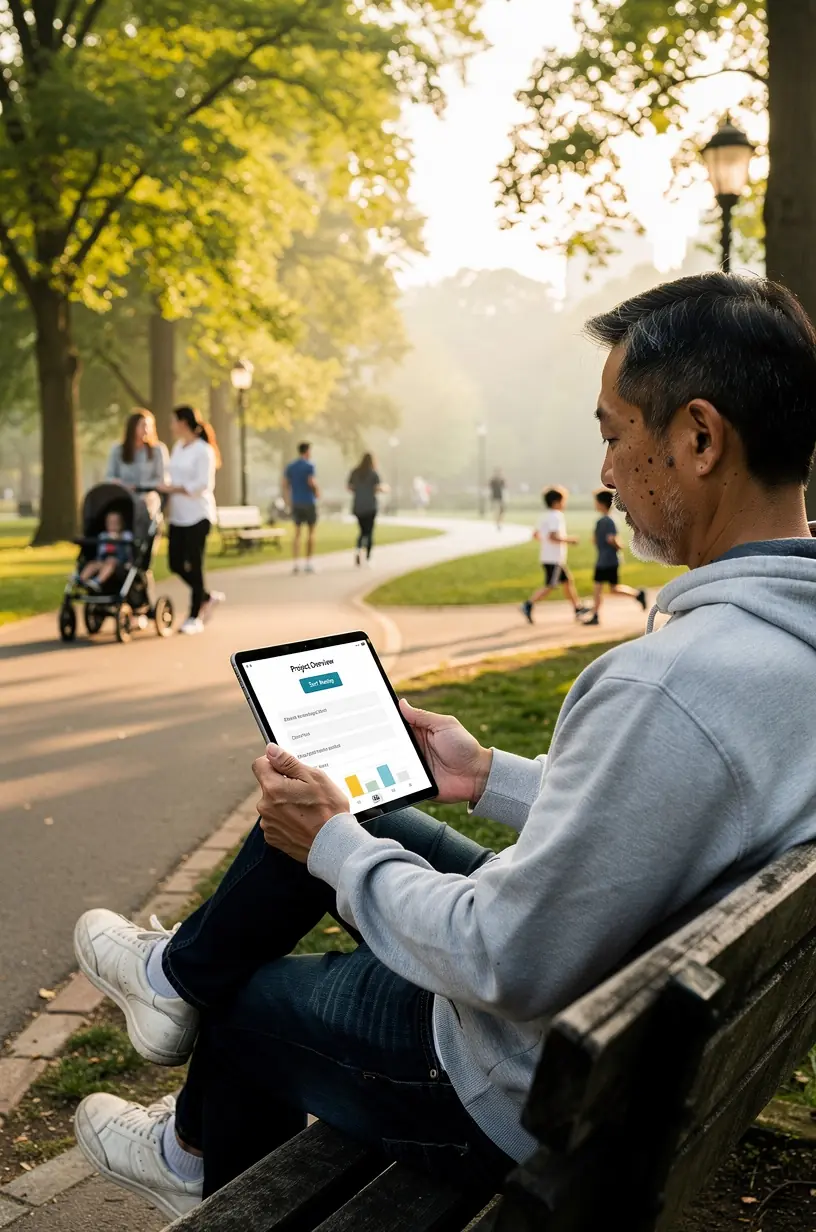
"Virtual reality in education enables experiential learning, allowing students to explore concepts through simulation rather than passive observation." - Dr. Sarah Thompson, Education Technologist
Practical Applications of VR in the Classroom
- Experiential Learning: VR allows students to participate in simulations that may be dangerous, expensive, or impractical in real life. For instance, medical students can practice surgeries in a virtual environment, gaining hands-on experience without risk.
- Global Exploration: Students can virtually visit historical sites or natural wonders, enriching their understanding of geography and history. This can be especially beneficial in areas with limited field trip opportunities.
- Interactive Learning: Many educators report that VR encourages active participation. When students engage with material in a 3D space, they often have a more profound connection to the content, leading to a more meaningful educational experience.
Acknowledging Limitations
While virtual reality offers compelling advantages, it is essential to acknowledge certain limitations. Implementing VR in education typically requires a significant investment in hardware and software, as well as ongoing support for teachers. Additionally, the learning curve for both educators and students may present challenges, especially in districts with limited access to technology.
Furthermore, while VR can enhance engagement, it is not suitable for every educational scenario. Experts recommend a blended approach, combining traditional teaching methods with VR to maximize learning outcomes. For best results, VR should complement existing curricula rather than replace them.
Future Implications of VR in Education
As technology evolves, the potential applications of virtual reality in education will likely expand. Educators are encouraged to stay informed about advancements in VR to incorporate new methodologies and pedagogies effectively. Research indicates that schools that adopt innovative technologies often see improved student outcomes and satisfaction.
Conclusion
Virtual reality is transforming educational experiences, offering new avenues for engagement and understanding. By leveraging this technology responsibly, educators can tap into its potential to enhance learning while being mindful of its limitations. As with any educational advancement, a thoughtful approach will ensure that the benefits of VR are realized without compromising the foundational elements of effective teaching.
Learn More